When should a senior move to assisted living? There is no universal or ideal timeline for moving to assisted living. Along with choice, the right time depends on a person’s health, safety, daily living needs, social well-being, and personal preferences.
Many families wait until a crisis occurs, but planning earlier often allows seniors to participate in decisions and adjust more comfortably.
Signs It May Be Time to Consider Assisted Living or a Retirement Community
Families must recognize practical signs without making medical judgments or suggesting that any single issue automatically requires a move. Read along to find out what those signs are-
Daily Tasks are Becoming More Difficult
The first sign is when your Activities of Daily Living (ADLs) become complex to manage. Such activities include regular cooking, shopping for groceries, home cleaning, laundry, bathing and dressing, medications, and more.
Occasional assistance is normal, but increasing dependence may indicate that additional support would improve daily life.
When Home No Longer Meets the Needs
With age, many homes become harder to navigate, and various potential issues start occurring, such as multiple staircases, narrow hallways, bathrooms without grab bars, slippery flooring, complex outdoor maintenance, and heavy snow removal during Minnesota winters.
Isolation or Loneliness
Retirement, losing a spouse, or reduced mobility can limit social interaction. Retirement communities often provide opportunities for social activities, shared dining, exercise classes, clubs, and community events, which may contribute to emotional well-being.
Emphasize Safety and Accessibility
Don’t take decision based on emotions; consider the practicality of the matter. Safety and accessibility should be a part of the decision for the right time for a senior to move to assisted living or a retirement community.
Safety isn't only about preventing accidents; it's also about creating an environment that supports long-term independence.
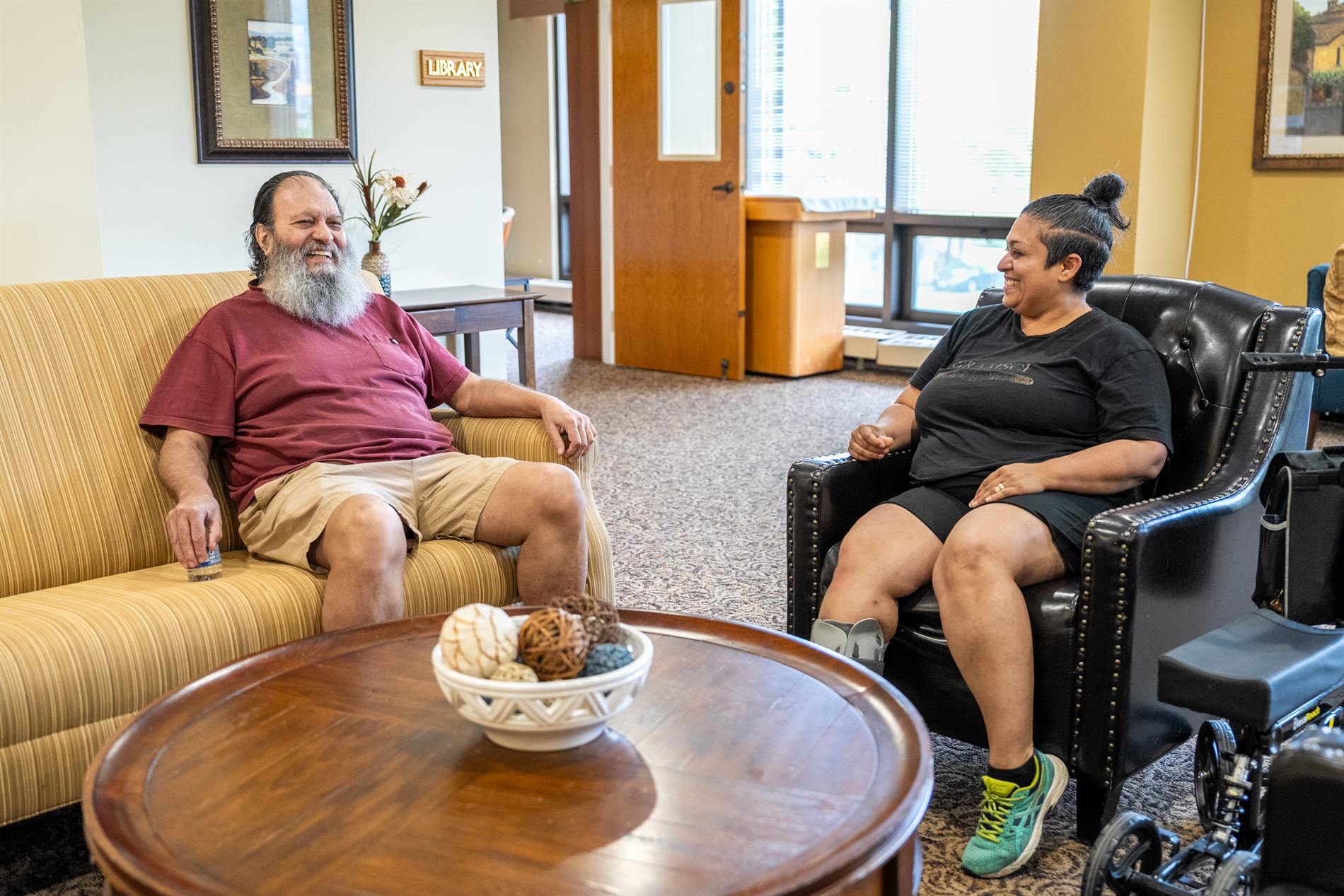
Note the safety consideration listed below-
- Fall Prevention - There are various common household hazards, such as loose rugs, poor lighting, uneven steps, and unsafe bathrooms.
- Managing Medications - missed doses or incorrect medication schedules can become more common as routines become harder to manage.
- Emergency Response - quick access to assistance becomes increasingly important for seniors living alone. Many assisted living communities provide staff availability or emergency response systems.
- Accessibility Features - features commonly found in senior communities, such as elevators, wheelchair accessibility, step-free entrances, accessible bathrooms, wider doorways, and maintenance-free living, allow seniors to remain active while reducing everyday physical challenges.
Preparing Emotionally for the Transition
The main goal is to prepare the seniors emotionally for moving, especially by building empathy during the whole process. Here’s how one can do it.
- Allow the seniors to participate in choosing the community, selecting furniture to bring, deciding what to keep, and planning moving timelines.
- Rather than emphasizing what seniors are leaving behind, discuss benefits such as reduced home maintenance, greater social opportunities, easier access to healthcare, less physical strain, and more free time.
- Adapting to a new community often takes several weeks or months. Families should expect an adjustment period while continuing regular visits and communication.
Retirement and Assisted Living Options in Rochester, Minnesota
If you wish to explore, there are different types of senior living available.
- Independent Living - This is suitable for active seniors who want fewer household responsibilities while maintaining independence.
- Assisted Living - For seniors who benefit from help with everyday activities while continuing to live as independently as possible.
- Memory Care - This includes specialized communities that support individuals experiencing Alzheimer's disease or other forms of dementia.
- Continuing Care Retirement Communities (CCRCs) - Several communities offer multiple levels of care, allowing residents to transition as their needs change over time.
How does Caring Transitions help families through the Process?
Moving a senior often involves much more than transporting furniture. Hence, the assistance of a professional service is always essential. Here’s what Caring Transitions of Rochester MN assists with-
- Downsizing Support - Helping families decide what to keep, donate, sell, or gift.
- Space Planning - Determining how existing furniture will fit comfortably in a smaller residence.
- Packing and Moving Coordination - Managing packing, organizing belongings, coordinating movers, and unpacking.
- Estate Sales and Cleanouts - When appropriate, families may also need assistance preparing a home after the move.
- Reducing Stress for Families - Coordinating multiple moving tasks can become overwhelming, especially when families are also managing healthcare decisions.
Professional guidance by Caring Transitions of Rochester, MN allows relatives to focus more on emotional support than logistics.
FAQs
How do I know if it's time for my parent to move to assisted living?
Look for ongoing changes in daily living, safety, health management, and social engagement rather than waiting for a single event. It is important to discuss concerns with the senior and healthcare professionals.
What is the difference between assisted living and a retirement community?
Retirement communities (often independent living) are designed for active seniors who need little or no daily assistance, while assisted living provides additional support with activities like bathing, dressing, medication reminders, and meals.
How can I help my parent prepare emotionally for a move?
Start with encouraging open conversations and early planning. Involve them in choosing the community, deciding which belongings to bring, and maintaining familiar routines after the move.
Be patient during the adjustment period.
Are there different types of senior living communities in Rochester, MN?
Available options are independent living, assisted living, memory care, and continuing care retirement communities. The best choice depends on current needs, future care expectations, and lifestyle preferences.